
What Is Self-Directed Care? How It Works and Who Qualifies in Minnesota
Learn how self-directed care gives individuals and families more choice, flexibility, and control over how care is provided. Explore CDCS, CFSS, and 245D programs, eligibility requirements, who can become a caregiver, and how Accra helps you manage care with confidence and independence.
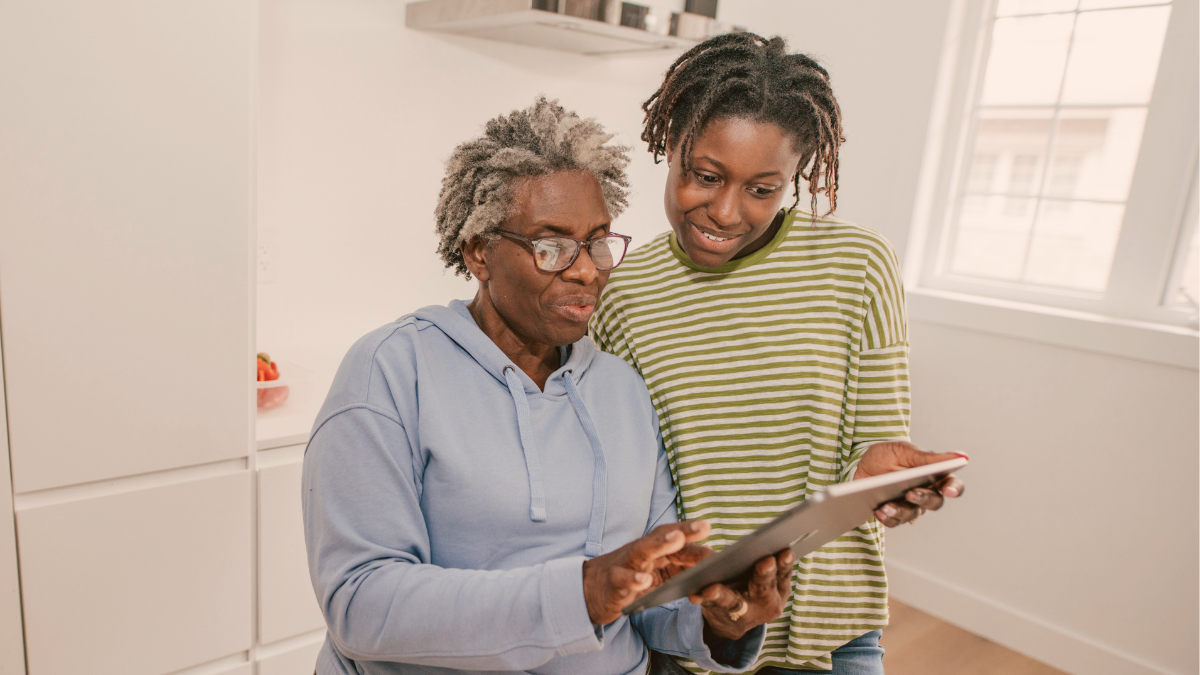
If you want more control over you or a loved one's care, self-directed care may be the right fit for you. With self-directed programs in Minnesota like CDCS, CFSS, and 245D waivered services, you can choose who provides care, create a schedule that works for your life, and hire trusted family members or friends as caregivers. Self-direction gives you more flexibility, independence, and comfort while helping you stay connected to your community and daily routines. At Accra, we help you navigate eligibility, maintain paperwork, and understand your options so you can focus on getting the care and support that works best for you.
What Is Self-Directed Care and How Does It Work?
If you’ve ever wished you could have more say in how care is provided for yourself or a loved one — who provides it, when it happens, and how it fits into your life — self-directed care may be the answer.
Accra has helped thousands of Minnesotans take control of their care through self-direction. Whether you’re just starting to explore your options or looking to improve the care you’re already managing, we can help you understand what self-directed care is, how it works, and why it might be right for you.
What Is Self-Directed Care?
Self-directed care is a model of home and community-based services that gives you more agency in managing you or your loved one’s care. Instead of receiving services from a traditional agency that assigns caregivers and sets the schedule, self-directed care lets you hire, train, and manage the people who provide daily support. For many, this includes family members, friends, or trusted members of your community.
This model is built around the idea that people thrive when they have more control over their lives.
Who Is Self-Directed Care an Option For?
- People with disabilities
- Older adults
- Children and adults with complex medical needs
- Caregivers who want to be reimbursed to care for a loved one
To access self-directed care in Minnesota, you must qualify for Medical Assistance (Minnesota’s Medicaid program) and meet certain eligibility requirements for long-term care support.
What Are the Benefits of Self-Directed Care?
People often choose self-directed care because it offers:
- Choice and control. You decide who provides care, when they come, and what tasks they help with.
- Trust and comfort. You can hire caregivers you already know and trust — like a family member, neighbor, or friend.
- Cultural fit. You can tailor services to your culture and social customs.
- Independence and dignity. Self-direction supports you in living life on your own terms.
Self-Directed Care Programs in Minnesota
In Minnesota, there are three main ways to self-direct your care:
Consumer Directed Community Supports (CDCS)
CDCS is part of several Medicaid waiver programs. It offers maximum flexibility by allowing you to:
- Manage your own care budget
- Hire family members or others as caregivers, including parents and spouses
- Purchase goods and services that support independence and quality of life, like adaptive equipment or community activities
You will work with a Case Manager and, if you choose, a Support Planner to create a person-centered care plan.
CFSS (Agency & Budget Models)
If you need help with daily activities like dressing, eating, bathing, or mobility, Community First Services and Supports (CFSS) may be a great fit. CFSS allows you to:
- Direct your own care
- Have a say in selecting your worker, including a spouse, the parent of a minor or another person who uses CFSS services
- Write your service-delivery plan with help from your Consultation Services Provider as desired
- Buy goods and services that support independent living (e.g. grab bars, wheelchairs, etc.)
This new program has two different delivery models: the agency model and the budget model. Both models give you significant control over your daily care.
CFSS is a new self-directed option developed by the state of Minnesota, which is replacing Personal Care Assistance (PCA) and Consumer Support Grant (CSG). It is available to those on Medical Assistance and MA waivers, as well as other healthcare programs like the Alternative Care program and some people on MinnesotaCare.
245D Waivered Services
Basic 245D services encompass several programs, but the majority of them share the same ability for you to choose a trusted, qualified worker to assist with activities of daily living (ADLs).
245D services may be right for you if you:
- Want to connect with your community
- Need to provide your primary caregiver with breaks
- Require assistance with home management
- Need overnight assistance
Each service provides a different type of care and has different eligibility requirements. To learn more about the different 245D waivered services and determine which may be the right fit for you or your loved one, visit our 245D waivered services page.
If you're interested in getting started with services through Accra, reach out to us so we can work with you!
Frequently Asked Questions
Yes! Most self-directed programs in Minnesota allow you to hire family members — and for many families, this is the biggest benefit. (Some rules apply, especially for responsible parties/participant representatives.)
It does involve responsibility, but you don’t have to do it alone. Accra takes care of the complicated parts so you can focus on care, not paperwork.
Under CDCS, yes — but as your Fiscal Management Service, Accra handles the tax and payroll side of that responsibility on your behalf. Accra acts as the employer under CFSS and 245D.
In all of the programs listed, the service provider – in this case, Accra – takes care of the payroll process, including providing tax documentation.
About Accra
Accra provides individualized homecare services and support to people and families across all 87 counties in Minnesota. By focusing on choice, independence, and high-quality care, Accra helps people with care needs live safely and comfortably, while strengthening the broader homecare system. Learn more at www.accrahomecare.org.